

The nursing profession is undergoing a major transformation as technology becomes increasingly central to healthcare delivery. Digital tools, electronic health records, telehealth platforms, and automated systems are reshaping how nurses provide patient care, manage documentation, and coordinate with multidisciplinary teams. Today, clinical expertise alone is not enough; nurses must also be digitally proficient to interpret data, operate advanced devices, and support virtual care models.
Adapting to these technological changes enhances efficiency, improves patient outcomes, and opens new career pathways. Nurses can stay competitive, expand their skill sets, and play a pivotal role in shaping modern healthcare systems while meeting the growing demands of 2026 and beyond.
Evolution of Healthcare Technology in Nursing
Healthcare technology in nursing has evolved beyond electronic health records. Hospitals are adopting AI-driven monitoring, predictive analytics, and automated scheduling systems to streamline workflows. These tools reduce manual errors, improve patient outcomes, and optimize staff allocation. Nurses interact with smart devices, wearable sensors, and interconnected systems that provide real-time patient data, allowing proactive care management.
Key Nursing Technology Trends in 2026
Here are some major nursing technology trends:
Artificial Intelligence and Predictive Analytics
AI supports nurses by analyzing patient data, flagging early warning signs, and prioritizing care needs. Predictive analytics guides resource allocation, helping staff manage high patient volumes more effectively.
Electronic Health Record Systems
EHR systems are central to healthcare digital transformation in nursing. They consolidate patient histories, lab results, and medication records into accessible dashboards, improving communication among interdisciplinary teams.
Robotics and Automation
Robotic assistance in tasks like medication delivery, sanitation, and patient transfers reduces physical strain. Nurses can focus on direct patient care while automated systems handle repetitive processes efficiently.
Digital Transformation in Nursing Practices
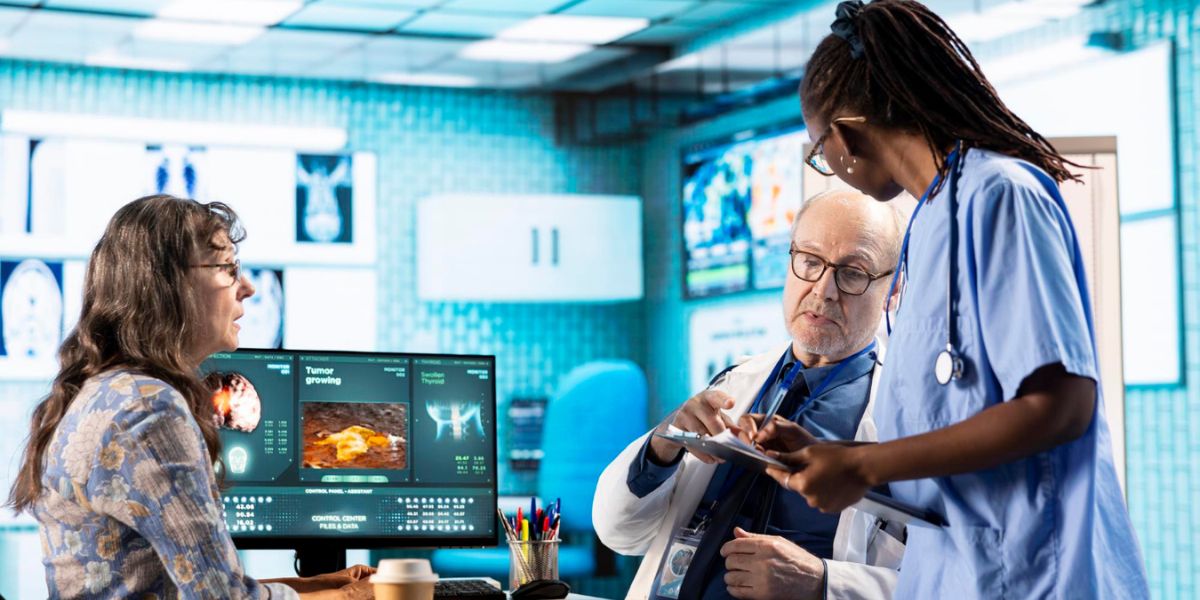
Digital transformation in nursing is not only about tools but also workflow adaptation. Hospitals integrate mobile devices, cloud-based reporting, and telecommunication platforms to create a connected environment. Digital literacy is increasingly vital, and training programs now emphasize technology adoption alongside clinical competencies. Nurses must adapt to continuous updates in software, protocols, and patient monitoring devices.
Telehealth and Remote Care Impact
Telehealth Platforms
The impact of telehealth on nurses is significant, enabling virtual consultations, remote monitoring, and patient education. Nurses coordinate care digitally, triage cases remotely, and support chronic disease management outside the hospital setting.
Remote Patient Monitoring
Wearable devices transmit vital signs to care teams in real-time. Nurses interpret this data, respond to alerts, and adjust treatment plans without in-person interactions, improving patient engagement and timely interventions.
Nursing Jobs Requiring Tech Skills
The rise of healthcare technology in nursing has created new career pathways. Roles now require proficiency in digital record-keeping, telehealth tools, and data analytics. Nurses with experience in technology-enhanced environments are in demand for positions involving clinical informatics, digital care coordination, and remote patient management.
Healthcare establishments increasingly seek local nurses for hospitals to fill these roles, as they bring familiarity with regional patient needs and community health patterns. These nursing jobs with tech skills combine traditional patient care expertise with digital proficiency.
Prioritizing local talent helps facilities maintain continuity of care while adapting to technological advancements. This approach also supports faster onboarding and stronger team collaboration in fast-evolving healthcare settings.
Training and Education for Digital Competency
Continuing Education Programs
Hospitals and professional associations provide ongoing courses in software usage, telehealth protocols, and AI-assisted decision-making. Continuous education helps nurses stay current with technology advancements.
Simulation-Based Learning
Virtual simulations allow nurses to practice clinical scenarios using digital tools. These platforms enhance problem-solving skills, patient safety awareness, and readiness for technology-integrated care.
Operational Efficiency and Staff Management
Healthcare technology in nursing supports operational efficiency through automated scheduling, task prioritization, and predictive staffing models. Integrating workforce management platforms helps local nurses in hospitals balance workloads and reduce stress. Advanced analytics also assist managers in forecasting staffing needs, improving patient-to-nurse ratios, and reducing burnout risk.
Patient Experience and Engagement
Digital Communication Channels
Telehealth consultations, secure messaging platforms, and video check-ins allow nurses to maintain regular contact with patients. These tools reduce barriers to care, improve follow-up compliance, and enable timely intervention when health concerns arise.
Remote Monitoring and Wearable Devices
Wearable health trackers and connected monitoring devices provide real-time data on vital signs, activity levels, and medication adherence. Nurses use this information to adjust care plans, identify early warning signs, and support proactive health management.
Patient Education and Empowerment
Digital platforms offer access to tailored educational materials, instructional videos, and interactive resources. Nurses guide patients in using these tools, promoting self-management, informed decision-making, and active engagement throughout their healthcare journey.
Challenges in Technology Adoption
Despite benefits, nurses face challenges such as system complexity, cybersecurity concerns, and data overload. Adaptation requires time, training, and continuous support. Interoperability between different platforms and hospital units also remains a critical hurdle for smooth digital transformation.
Complexity of Digital Systems
Modern healthcare technology often involves sophisticated software, multiple platforms, and interconnected devices. Nurses must learn new workflows, navigate system interfaces, and integrate digital tools into routine care, which can initially slow efficiency and increase cognitive load.
Cybersecurity and Data Privacy
Handling sensitive patient information digitally raises concerns about security and privacy. Nurses must follow strict protocols to prevent data breaches, maintain confidentiality, and comply with regulations, adding layers of responsibility alongside clinical duties.
Information Overload
The influx of real-time patient data from electronic health records, wearable devices, and monitoring systems can be overwhelming. Nurses need strategies to prioritise critical information while maintaining accuracy and timely decision-making.
Interoperability Issues
Different hospital systems, software platforms, and medical devices often struggle to communicate seamlessly. Lack of integration can lead to duplicated work, miscommunication, and inefficiencies, requiring nurses to adapt workflows and manually reconcile data across systems.
Summing It Up
Technology is transforming the nursing industry in multiple dimensions. From AI and EHR systems to telehealth platforms and robotics, nurses are navigating a digital-first landscape. Those who adopt new tools, pursue nursing jobs with tech skills, and participate in ongoing digital training can enhance care delivery, operational efficiency, and professional growth. Nurse staffing solutions and recruitment agencies play a pivotal role in bridging skill gaps and supporting the smooth integration of technology in healthcare settings.
For guidance on advancing your nursing career in technology-enhanced environments, NurseAmerica Healthcare is the best healthcare staffing company to provide expert support and professional placement assistance.